Age-Specific Oral Health Stages
Infancy
Toddler Years
School-Aged
Teens
Welcome to DentistFortMyers.com – Your Guide to a Healthier Smile in Fort Myers!
Dec 28
Click the play button above to listen to the article
Did you know that establishing good dental habits early can lead to a lifetime of healthy smiles? Understanding pediatric dentistry is essential for every parent navigating their child’s dental care journey.
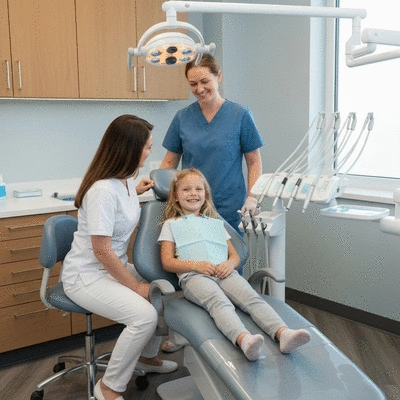
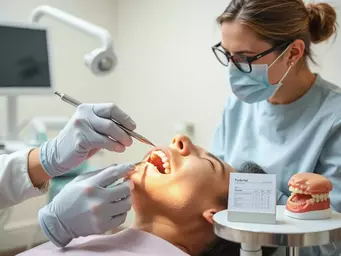
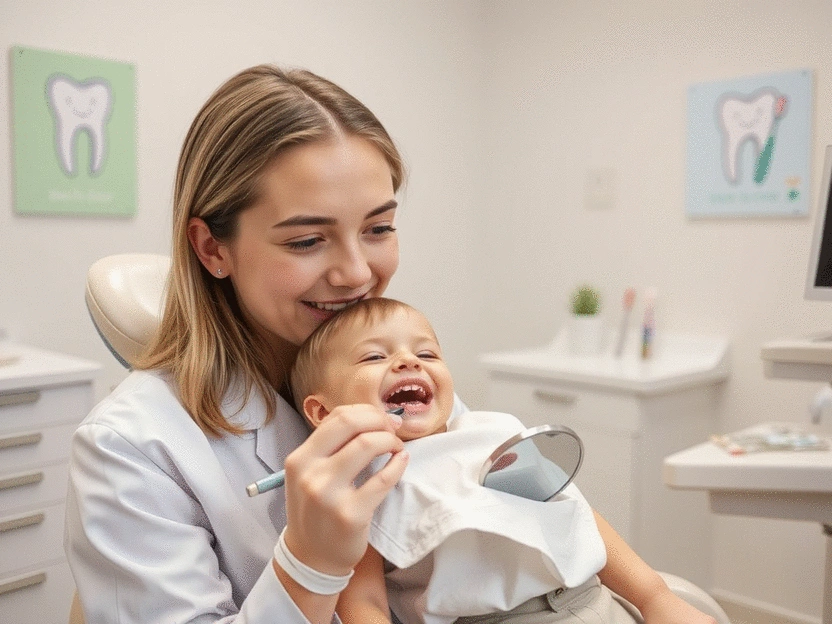
This visual outlines key dental care guidelines tailored to different age groups, from infancy through the teenage years, emphasizing evolving needs and practical strategies.
As a parent, navigating the world of pediatric dentistry can feel overwhelming! But understanding your child's dental care needs is essential for their overall health. Starting early with proper dental hygiene helps set the foundation for a lifetime of healthy smiles. For additional resources and detailed information on children's oral health, consider visiting the American Academy of Pediatric Dentistry (AAPD), a leading authority in the field.
It's never too early to prioritize your child's oral health. By visiting a dentist regularly and establishing good habits, you can help your child avoid common dental issues and foster a positive attitude towards dental care. So let’s dive into what you need to know about pediatric dentistry!
Early dental care is crucial for children, especially when it comes to their first set of teeth. These teeth play a vital role in how children eat, speak, and maintain the alignment of their future adult teeth. Regular dental check-ups help identify issues like cavities or misalignment before they lead to more significant problems.
By engaging in early dental care, you're not just taking care of their teeth but also instilling lifelong habits that will benefit them greatly! The American Dental Association (ADA) offers comprehensive guides on healthy habits for babies and kids, emphasizing the significance of early intervention.
Dental anxiety is a common issue many children face, and it can significantly impact their oral health. When kids feel anxious about dental visits, they might be less willing to attend appointments, potentially leading to untreated dental problems.
As a dentist, I often encourage parents to talk to their kids about what to expect during a visit. This way, children can feel more in control and less anxious. The more informed they are, the more comfortable they will be!
As children grow, their dental care needs change. Here’s a quick guide on how to maintain oral health throughout different stages of childhood!
By keeping these age-specific guidelines in mind, you can ensure that your child receives the appropriate care for their stage of development. Let's break this down even further!
Welcome to the exciting world of teething! Your baby’s first teeth typically emerge around six months, and this is a crucial time for establishing good oral hygiene. Here are some essential tips:
These simple strategies can provide relief and help your little one settle during this sometimes uncomfortable stage.
It's recommended to take your child for their first dental visit by their first birthday, or within six months of their first tooth appearing. This initial visit allows the dentist to assess your child's dental health and provide guidance to parents on proper care. Further insights into the importance of primary teeth can be found on the MouthHealthy.org section dedicated to baby teeth, explaining why these first teeth are so vital.
Fostering a routine early on can make a significant difference in your child's lifelong relationship with oral health!
Did you know? Establishing a dental care routine at an early age can significantly reduce the likelihood of dental anxiety later on. Make brushing fun by incorporating songs, games, or a reward system to keep your child engaged and excited about maintaining their oral health!
It is recommended that your child has their first dental visit by their first birthday, or within six months of their first tooth appearing. This helps establish early dental care and addresses any potential issues.
Early dental care is crucial because primary teeth play a vital role in eating, speech development, and maintaining space for permanent teeth. Regular check-ups help detect and prevent issues like cavities and misalignment, and foster lifelong healthy habits.
To reduce dental anxiety, discuss dental visits openly with your child, consider scheduling shorter and more frequent appointments, involve them in choosing dental products, and be a positive role model by maintaining your own oral hygiene.
Guidelines vary by age: for infants, focus on wiping gums and a first dental visit by age one; for toddlers and school-aged children, make brushing fun and use age-appropriate fluoride toothpaste; for teens, emphasize consistent hygiene and address orthodontic needs.
Nutrition significantly impacts oral health. Limiting sugary snacks and drinks, encouraging fruits and vegetables, providing calcium-rich foods, and staying hydrated with water are essential for preventing cavities and strengthening teeth.
As we wrap up our discussion on pediatric dental health, it’s crucial to highlight some key takeaways to ensure your child's smile remains bright and healthy. Remember, consistent oral hygiene practices are vital at every stage of development. By implementing the right strategies early on, you can set your child up for a lifetime of good dental habits!
Implementing these guidelines can make a significant difference in your child's dental health journey. I always encourage parents to stay proactive and involved in their children's dental care, creating a positive experience for both you and your child!
It’s essential to adapt your approach as your child grows. For instance, during infancy, focus on gentle cleaning methods, while in the toddler years, introduce fun and engaging brushing techniques. Here are some practical strategies to consider:
By tailoring your strategies to fit their developmental stage, you can foster a positive attitude toward dental care that lasts a lifetime. Every little effort counts and can lead to a more enjoyable experience for both of you!
Your involvement as a parent is critical in shaping your child's relationship with oral health. Not only do you need to model good habits, but your encouragement can also motivate them to take care of their teeth. Think about these aspects:
At DentistFortMyers, I often see how positive reinforcement and active participation in your child’s dental care can lead to lasting habits. It’s all about building confidence and reducing any anxiety they might have!
Once healthy habits are established, the next step is fostering a lifelong commitment to oral hygiene. This process doesn’t happen overnight, but with consistent effort, it can become second nature for your child!
Staying informed is key to maintaining optimal dental health. There are numerous resources available to support your journey:
These tools can empower both you and your child to make informed decisions regarding oral care. By staying educated, you can continue to promote healthy habits throughout your child’s development.
Being part of a community can help reinforce good dental habits. I encourage families to share their experiences and seek advice from others. This can be done through parent groups or local forums.
Engagement within the community can create a support system that encourages healthy practices and alleviates the fear surrounding dental visits!
Lastly, let’s not forget that nutrition plays a vital role in oral health. A balanced diet is essential not only for overall health but also for keeping those pearly whites strong! Here are some nutritional tips:
At DentistFortMyers, I often emphasize that good nutrition and dental care go hand-in-hand. By teaching your child about healthy eating, you’re setting them up for success in both their dental and overall health!
Here is a quick recap of the important points discussed in the article:
Dedicated dental professional. Specialist in preventive & cosmetic dentistry. Passionate about patient education.
Dr. Rhodes is committed to providing comprehensive oral health care, ensuring patients receive top-notch, individualized treatment. Through DentistFortMyers.com, she empowers Fort Myers residents and visitors with the knowledge to make informed decisions about their dental health. Explore our blog for insights on maintaining a healthy, confident smile and enhancing your overall well-being.
Dedicated Dental Professional. Oral Health Educator. Preventive and Cosmetic Dentistry Specialist.
Dr. Samantha L. Rhodes is dedicated to transforming oral health practices into accessible, informative experiences, empowering Fort Myers residents to embrace a confident smile and optimal well-being. Join her on our blog for daily tips and tailored strategies that simplify your dental care journey and enhance your oral health.