What Happens to Your Teeth and Gums Under Stress?
- •Increased Plaque Buildup: Neglected hygiene.
- •Increased Inflammation: Potential gum disease.
- •Changes in Diet: Unhealthy eating habits.
Welcome to DentistFortMyers.com – Your Guide to a Healthier Smile in Fort Myers!
Jan 23
Click the play button above to listen to the article
Stress can have a significant impact on our oral health, often in ways we may not immediately recognize. Understanding this connection is crucial for maintaining a healthy smile. Here’s what you’ll discover about how stress influences your dental well-being and what steps you can take to mitigate these effects.
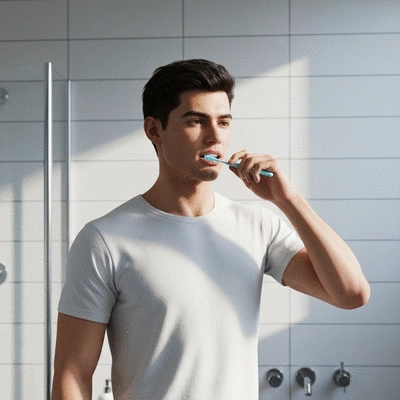
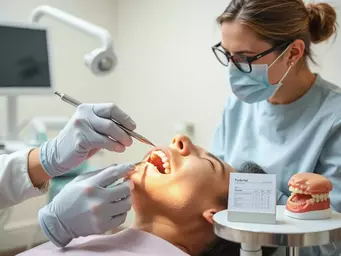
Stress profoundly affects oral health through various physiological and behavioral changes. The visual below details key effects, the role of cortisol, and how anxiety influences oral hygiene practices.
Stress impacts every aspect of our lives, including our oral health. When we experience stress, our bodies undergo physiological changes that can lead to various dental issues. It’s essential to understand these connections to better manage our oral hygiene and overall health.
For instance, stress can lead to muscle tension and changes in behavior that negatively affect how we take care of our teeth. Stress often results in neglecting routine oral hygiene practices, increasing the risk of dental problems. Let’s explore this further!
When we’re stressed, the body responds in ways that can compromise our dental health. Increased levels of adrenaline can trigger a heightened state of awareness, resulting in muscle tension, especially in the jaw. Over time, this tension can lead to discomfort and potential dental issues.
Recognizing these factors is the first step toward maintaining a healthy smile. Remember, your oral health is interconnected with your overall well-being.
Cortisol, often referred to as the “stress hormone,” plays a significant role in how our body manages stress. Elevated cortisol levels can lead to reduced saliva production, which is crucial for neutralizing acids in our mouths and protecting against tooth decay. As highlighted in a study on chronic stress and oral health, such physiological responses can significantly impact dental well-being.
Understanding how cortisol affects your oral health can help you take proactive measures. For instance, if you're feeling stressed, it could be time to incorporate relaxation techniques into your daily routine!
Stress and anxiety often go hand in hand, and this relationship can significantly affect your oral care practices. When anxiety levels rise, many people may forget or skip their oral hygiene routines, which can lead to a decline in dental health. Research published in Frontiers in Oral Health further elaborates on the intricate links between stress, anxiety, and oral health outcomes, emphasizing the need for holistic approaches to care.
By understanding this connection, we can work to develop healthier habits amid stress. Don't hesitate to discuss any concerns with your dental care team at DentistFortMyers; we’re here to support your journey to better oral health!
As we've established, stress can have profound effects on oral health. Let's take a closer look at some specific conditions that may arise due to stress, starting with bruxism.
To combat the negative effects of stress on your oral health, consider incorporating mindfulness practices such as meditation or deep breathing into your daily routine. These techniques not only help reduce stress but can also enhance your overall oral care habits by keeping you focused and present during your hygiene routines!
In today’s fast-paced world, it's essential to proactively address the impacts of stress on our oral health. Many of us might not realize how stress can silently affect our teeth and gums. By understanding the connection between stress and oral health, we can take steps to combat these effects and promote a healthier smile!
Being proactive means not only recognizing the signs of stress-related oral issues but also implementing preventative measures. This can lead to long-lasting benefits for both your smile and overall well-being. Remember, your oral health is a crucial part of your overall health, and it’s important to prioritize it!
Now that we've discussed the link between stress and oral health, it's time to take action. I encourage you to implement the strategies we’ve explored in this article. Making small changes can lead to significant improvements. Don't hesitate to reach out to us at DentistFortMyers if you have any concerns about your oral health or need further guidance!
By taking these steps, you can significantly enhance your oral health and overall quality of life. Remember, it’s all about making informed choices that keep you smiling confidently!
Many of my patients often ask questions about the relationship between stress and oral health. Here are some common inquiries I encounter:
Understanding these connections can empower you to take charge of your oral health! If you have more questions, feel free to ask during your next visit to DentistFortMyers.
It's no secret that many people experience dental anxiety, often heightened by stress. This anxiety can lead to postponing appointments and neglecting oral care, which only worsens oral health over time. By addressing your dental fears and communicating openly with your dental team, you can alleviate some of this stress.
Regular check-ups are crucial, not only for maintaining oral health but also for building a trusting relationship with your dentist. At DentistFortMyers, we strive to create a comfortable environment where you can feel at ease discussing your concerns. Remember, taking care of your dental health is a significant step toward managing stress and anxiety!
Here is a quick recap of the important points discussed in the article:
Dedicated dental professional. Specialist in preventive & cosmetic dentistry. Passionate about patient education.
Dr. Rhodes is committed to providing comprehensive oral health care, ensuring patients receive top-notch, individualized treatment. Through DentistFortMyers.com, she empowers Fort Myers residents and visitors with the knowledge to make informed decisions about their dental health. Explore our blog for insights on maintaining a healthy, confident smile and enhancing your overall well-being.
Dedicated Dental Professional. Oral Health Educator. Preventive and Cosmetic Dentistry Specialist.
Dr. Samantha L. Rhodes is dedicated to transforming oral health practices into accessible, informative experiences, empowering Fort Myers residents to embrace a confident smile and optimal well-being. Join her on our blog for daily tips and tailored strategies that simplify your dental care journey and enhance your oral health.