Jan 26
Understanding Periodontal Treatment Options
Click the play button above to listen to the article
As the saying goes, "An ounce of prevention is worth a pound of cure." This holds particularly true for your oral health, where understanding periodontal treatments can make all the difference in maintaining a radiant smile.
What You Will Learn
- Periodontal diseases range from gingivitis to severe periodontitis and can lead to tooth loss if untreated.
- Early detection of gum disease is crucial, with common symptoms including swollen gums and persistent bad breath.
- Intervening early can often reverse gingivitis and help prevent more invasive treatments later.
- Understanding risk factors like smoking and diabetes can aid in creating a personalized gum health plan with your dentist.
- Nutritional choices play a significant role in gum health, making it important to incorporate beneficial foods into your diet.
Periodontal Health: Understanding & Preventing Gum Disease
Understanding gum disease and its risk factors is crucial for maintaining optimal oral health. Early detection and treatment can prevent more severe issues. Below is a summary of key symptoms, stages, and risk factors.
Stages of Periodontal Disease Progression
Gingivitis
Mildest form. Gums are red, swollen, and may bleed easily. Often reversible with good oral hygiene.
- Red/Swollen Gums
- Bleeding when brushing
Periodontitis
Advanced stage. Infection damages bone, ligaments, and gums, leading to tooth loss if untreated.
- Gum recession
- Loose teeth, bone loss
Common Symptoms
- Red, swollen, or tender gums
- Bleeding when brushing/flossing
- Persistent bad breath
- Loose or shifting teeth
Key Risk Factors
- Smoking or tobacco use
- Diabetes
- Certain medications
- Poor oral hygiene
The Importance of Understanding Periodontal Treatments for Optimal Oral Health
Understanding periodontal treatments is essential for anyone looking to maintain optimal oral health. As a dentist committed to patient education, I often emphasize the significance of caring for your gums, as they play a crucial role in your overall well-being. Let's dive into the details of periodontal health and why it matters!
At DentistFortMyers, we believe that informed patients make better decisions about their dental care. That's why I want to share valuable insights into periodontal diseases and treatments. Knowledge is power, especially when it comes to preventing gum disease and ensuring your smile stays bright and healthy!
What Are Periodontal (Gum) Diseases?
Periodontal diseases are infections of the structures around your teeth, including the gums, bone, and periodontal ligament. They range from simple gum inflammation, known as gingivitis, to more severe forms, such as periodontitis, which can lead to tooth loss if not treated promptly. Understanding these conditions is the first step toward successful prevention and treatment!
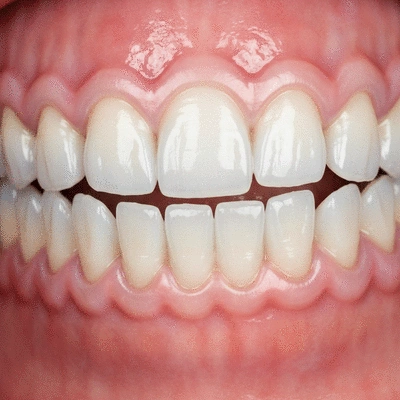
Gum disease is often caused by plaque, a sticky film of bacteria that forms on your teeth. When not removed through regular brushing and flossing, this plaque can harden into tartar, leading to inflammation and infection. It’s essential to recognize that gum disease is common, but it’s preventable!
Common Symptoms of Gum Disease and How to Recognize Them
Recognizing the signs of gum disease early can make a significant difference in your treatment options. Here are some common symptoms to watch for:
- Red, swollen, or tender gums
- Gums that bleed when brushing or flossing
- Persistent bad breath
- Loose or shifting teeth
- Change in bite or fit of dentures
If you experience any of these symptoms, it’s crucial to schedule a visit at DentistFortMyers. Early intervention is key to preserving your oral health!
Why Early Intervention is Key in Gum Disease Management
Early detection and treatment of gum disease can save you from more extensive procedures down the line. When caught early, gingivitis can often be reversed with improved oral hygiene practices and potentially a simple professional cleaning. However, if it progresses to periodontitis, treatment may require more invasive procedures.
By prioritizing early intervention, you not only protect your smile but also your overall health! Research has shown that untreated gum disease is linked to various systemic health issues, including heart disease and diabetes. So, taking care of your gums is more than just a dental issue; it's a health priority!
Identifying Risk Factors for Periodontal Disease
Understanding the risk factors for periodontal disease can help you take proactive steps to protect your oral health. Some common risk factors include:
- Smoking or tobacco use
- Diabetes
- Certain medications that reduce saliva flow
- Genetics and family history of gum disease
- Poor oral hygiene practices
Being aware of these factors allows you to work with your dentist to create a personalized plan that supports your gum health. At DentistFortMyers, I’m here to guide you through understanding and managing these risks effectively!
We Want to Hear From You!
What do you think about the importance of early detection in gum disease? Share your thoughts below:
Take Control of Your Oral Health Today
It's never too late to take charge of your oral health! Being proactive about your gums can make a significant difference in your overall well-being. In this section, I'll guide you on how to recognize the signs of gum disease early, discuss treatment options with your dentist, and even the impact of nutrition on your gum health.
Recognizing the Signs of Gum Disease Early
Did you know that early detection of gum disease is crucial? Many people are unaware of the symptoms until the disease has progressed. By familiarizing yourself with the early warning signs, you can take immediate action. Here are a few key signs to watch for:
- Bleeding gums during brushing or flossing
- Persistent bad breath that doesn't go away
- Red, swollen, or tender gums
- Loose teeth or changes in bite
If you notice any of these symptoms, don’t hesitate to reach out to DentistFortMyers. We can help you assess your condition and determine the best course of action to protect your smile!
How to Discuss Treatment Options with Your Dentist
Having an open conversation with your dentist about treatment options is essential for effective gum care. Approach the discussion with a list of your concerns and questions. Here are some tips to consider:
- Prepare specific questions regarding your symptoms and treatment methods.
- Ask about the benefits and risks associated with different treatments.
- Inquire about the expected recovery time and follow-up care.

By coming prepared, you empower yourself in the decision-making process. Remember, I'm here to listen and guide you through your options, ensuring you feel confident about your choices!
Nutritional Counseling and Its Impact on Gum Health
Your diet plays a vital role in maintaining healthy gums! Nutrition can significantly affect your gum health, and understanding what to eat is a key part of prevention. For example, research highlights the importance of certain compounds, like those found in natural sources, for managing periodontal diseases, as detailed in this study on new drug therapy. Additionally, the broader impact of nutritional factors on chronic periodontitis is thoroughly discussed in this review of nutritional factors. Here are some dietary tips to help promote strong gums:
- Incorporate plenty of fruits and vegetables for their vitamins and minerals.
- Choose whole grains over refined grains to support overall health.
- Stay hydrated to keep your mouth moist and aid in natural cleaning.
- Limit sugary snacks and drinks that can lead to plaque buildup.
At DentistFortMyers, I’m passionate about guiding my patients in making nutritional choices that support their oral health. If you’re interested in personalized nutrition advice, don’t hesitate to ask during your next visit!
Frequently Asked Questions About Periodontal Health
- Q: What is the difference between gingivitis and periodontitis?
- A: Gingivitis is the mildest form of gum disease, characterized by red, swollen, and bleeding gums, and it's often reversible with good oral hygiene. Periodontitis is a more advanced stage where the infection damages the bone and ligaments supporting your teeth, potentially leading to tooth loss if left untreated.
- Q: What are the most common symptoms of gum disease?
- A: Common symptoms include red, swollen, or tender gums; bleeding when brushing or flossing; persistent bad breath; and loose or shifting teeth. Early recognition of these signs is crucial for effective treatment.
- Q: Why is early intervention important for gum disease?
- A: Early intervention can prevent gum disease from progressing to more severe stages. Gingivitis, when caught early, can often be reversed with professional cleaning and improved hygiene, avoiding more invasive treatments and protecting overall health.
- Q: What are the key risk factors for developing periodontal disease?
- A: Key risk factors include smoking or tobacco use, diabetes, certain medications that reduce saliva flow, genetics, and poor oral hygiene practices.
- Q: How does nutrition impact gum health?
- A: A balanced diet rich in fruits, vegetables, and whole grains, along with adequate hydration, supports gum health by providing essential vitamins and minerals and helping to prevent plaque buildup. Limiting sugary snacks is also important.
Recap of Key Points
Here is a quick recap of the important points discussed in the article:
- Periodontal diseases range from gingivitis to periodontitis and can lead to tooth loss if untreated.
- Recognizing early signs of gum disease, such as bleeding gums and persistent bad breath, is crucial for effective management.
- Early intervention can often reverse gingivitis and prevent the progression to more severe periodontal conditions.
- Common risk factors include smoking, diabetes, and poor oral hygiene practices.
- Engaging in nutritional counseling can support gum health through a balanced diet and hydration.
- Having open discussions with your dentist about treatment options empowers you to make informed decisions about your oral health.

Dr. Samantha L. Rhodes
Dedicated dental professional. Specialist in preventive & cosmetic dentistry. Passionate about patient education.
Dr. Rhodes is committed to providing comprehensive oral health care, ensuring patients receive top-notch, individualized treatment. Through DentistFortMyers.com, she empowers Fort Myers residents and visitors with the knowledge to make informed decisions about their dental health. Explore our blog for insights on maintaining a healthy, confident smile and enhancing your overall well-being.