Click the play button above to listen to the article
What if the secret to a perfect smile lies in choosing the right orthodontic treatment? As you navigate the choice between Invisalign and traditional braces, understanding their distinct advantages can make all the difference!
What You Will Learn
Invisalign offers a discreet and comfortable way to straighten teeth with removable aligners.
Traditional braces, available in metal and ceramic options, are effective for complex orthodontic issues.
Both treatment types have unique pros and cons, influencing the choice based on personal lifestyle and needs.
Understanding teeth alignment benefits can enhance oral health and boost self-esteem.
Consulting with an orthodontist can provide personalized guidance tailored to your specific dental situation.
Invisalign vs. Traditional Braces: A Side-by-Side Comparison
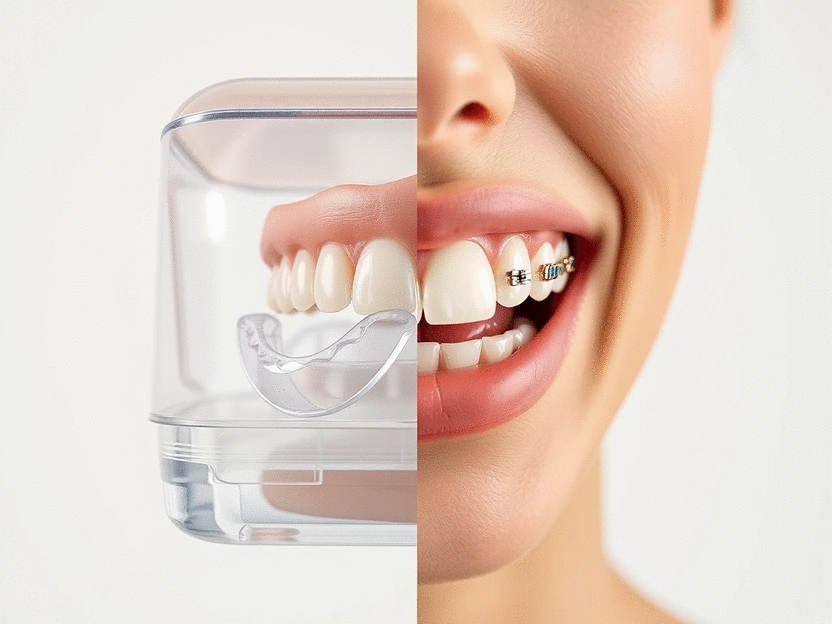
This comparison highlights the key benefits and drawbacks of Invisalign and Traditional Braces, helping you make an informed decision for your orthodontic needs.
Removable: Can be taken out for eating and brushing.
Comfortable: No wires or brackets to irritate.
Custom Fit: Made using 3D imaging.
Cons:
Discipline Required: Must wear 20-22 hours daily.
Limitations: Not ideal for severe orthodontic issues.
Traditional Braces: Metal & Ceramic
Pros:
Highly Effective: Works for complex cases.
No Compliance Needed: Fixed to teeth.
Durable: Robust for long-term treatment.
Ceramic Option: Less visible alternative.
Cons:
Discomfort: Wires and brackets can irritate.
Visible: More noticeable than aligners.
Food Restrictions: Certain foods must be avoided.
Understanding Orthodontic Treatments: Invisalign vs. Traditional Braces
When it comes to achieving that perfect smile, understanding your options is crucial! Many people find themselves torn between Invisalign and traditional braces. Each method has its own set of benefits and considerations that can impact your journey to straighter teeth.
In this guide, we'll dive into the specifics of these treatments, helping you make an informed decision about what’s right for you.
Defining Invisalign and Its Benefits as a Clear Aligner
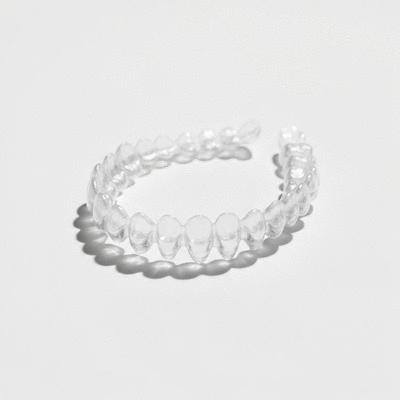
Invisalign is a modern orthodontic treatment that uses clear aligners to gradually shift your teeth into place. Unlike traditional braces, these aligners are virtually invisible, making them a popular choice among adults and teens alike! Here’s a quick look at some of the key benefits of choosing Invisalign:
Discreet appearance – they’re clear and less noticeable.
Removable – you can easily take them out for meals and brushing.
Comfortable – no wires or brackets to irritate your mouth.
Custom fit – made specifically for your teeth using 3D imaging technology.
These features make Invisalign a convenient choice for many patients. If you're considering clear aligners, don't hesitate to reach out to us at DentistFortMyers to learn more about how they can work for you!
Exploring Traditional Braces: Metal and Ceramic Options
Traditional braces have been a staple in orthodontics for many years. They consist of metal brackets and wires that work together to shift your teeth. Recently, ceramic braces have emerged as an alternative, providing a less visible option while still retaining the effectiveness of metal braces. Let's compare these two types:
Metal Braces: These are the most common and typically the most effective for complex cases.
Ceramic Braces: Made from clear materials, they blend more with the natural color of your teeth but may be less durable.
Both options have their advantages, and your orthodontist can help determine which is best for your specific needs. For more detailed insights into the differences, you can refer to resources like the ADA and NIH's perspectives on traditional braces vs. Invisalign, which offer a comprehensive comparison. Are you curious about which one might suit you better? Let's explore further!
Orthodontics Overview: What You Need to Know About Teeth Straightening
Teeth straightening is not just about aesthetics; it plays a pivotal role in your overall oral health. Misaligned teeth can lead to issues like gum disease, tooth decay, and even jaw pain! Here’s what you should know:
Improves bite functionality – ensuring your teeth align properly when you chew.
Enhances self-esteem – a straight smile can boost confidence in social interactions.
Facilitates better hygiene – easier to clean straight teeth reduces the risk of cavities.
Understanding these benefits can motivate you to take the first step towards your orthodontic journey. If you have further questions about orthodontics, remember that I'm here to provide guidance and support every step of the way.
We Want to Hear From You!
What do you think about choosing between Invisalign and traditional braces? Share your thoughts below:
Deciding Between Invisalign and Traditional Braces: Key Takeaways
When considering orthodontic treatments, it's essential to weigh the pros and cons of both Invisalign and traditional braces. Each option has its unique advantages and challenges that could influence your choice. So, let’s dive into what makes these treatments stand out!
Summarizing the Pros and Cons for Informed Decisions
Understanding the strengths and limitations of each treatment can help you feel more confident in your decision. Here’s a quick rundown of the benefits and drawbacks:
Invisalign Pros: Discreet appearance, removable for eating and brushing, comfortable fit.
Invisalign Cons: Requires discipline to wear for 20-22 hours daily, not ideal for severe orthodontic issues.
Traditional Braces Pros: Effective for complex cases, no need for patient compliance, durable.
Traditional Braces Cons: Can be uncomfortable, visibly noticeable, food restrictions.
Each person’s situation is unique, and understanding these factors can help you make an informed decision that aligns with your lifestyle and orthodontic needs.
Making the Right Choice for Your Orthodontic Needs
Choosing the right orthodontic treatment can feel overwhelming, but it's all about finding the option that fits your needs best! Consider these questions:
What is your age group? (Children, teens, adults?)
Do you have any specific aesthetic preferences?
What is your budget for orthodontic treatment?
How complex are your orthodontic issues?
Taking time to reflect on these questions will guide you towards the most suitable orthodontic solution. Remember, consulting with a professional like me at DentistFortMyers can help clarify these choices!
Orthodontic Technology: How Advances Improve Patient Satisfaction
Advancements in orthodontic technology have transformed how we approach teeth straightening. For instance, 3D imaging and digital treatment planning allow for more personalized care, ensuring better outcomes. Also, newer materials used in both Invisalign and traditional braces lead to improved comfort and aesthetic appeal. These innovations not only enhance treatment effectiveness but also contribute to a more pleasant experience for patients. You can learn more about the advancements and comparisons in orthodontic treatments, including the role of 3D imaging, by referring to studies published in journals like the Journal of the Canadian Association of Orthodontists. Embracing technology means you can expect faster results with less discomfort, making your journey towards a straighter smile more enjoyable!
Frequently Asked Questions (FAQs)
What are the main differences between Invisalign and traditional braces?
Invisalign uses clear, removable aligners that are virtually invisible and offer comfort, but require strict compliance. Traditional braces use fixed metal or ceramic brackets and wires, highly effective for complex cases, but are more noticeable and can cause discomfort.
How does Invisalign work?
Invisalign uses a series of custom-made, clear plastic aligners that gradually shift your teeth into the desired position. These aligners are replaced every one to two weeks, advancing the teeth straightening process.
Are traditional braces still effective for complex orthodontic issues?
Yes, traditional braces are generally considered more effective for severe and complex orthodontic cases due to their fixed nature and the strong control they offer over tooth movement.
What are the benefits of straightening teeth beyond aesthetics?
Beyond aesthetic improvements, teeth straightening enhances oral health by improving bite functionality, making teeth easier to clean (reducing the risk of cavities and gum disease), and boosting self-esteem.
Why is a consultation with an orthodontist important?
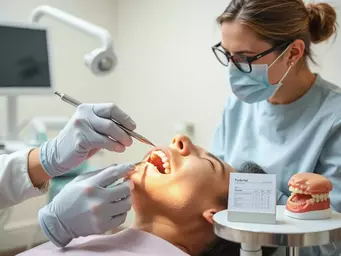
A consultation with an orthodontist is crucial for personalized guidance. They can assess your specific dental needs, discuss your goals, explain the best treatment options for you, and address any concerns regarding cost or duration, ensuring you make an informed decision.
Next Steps: Consulting with an Orthodontist for Personalized Guidance
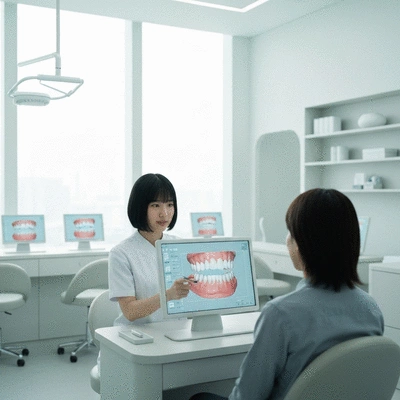
Now that you’ve gathered information about both treatments, it’s time to take action! Consulting with an orthodontist is the best way to get tailored advice specific to your situation.
What to Discuss During Your Orthodontic Consultation
When you meet with your orthodontist, here are some topics to cover:
Your dental history and current oral health status.
Your aesthetic goals and any concerns you may have.
Expected treatment duration and follow-up visits.
Cost and financing options available.
This discussion will empower you to make a decision that feels right for you. Remember, every patient is different, and your orthodontic plan should reflect your unique needs!
Getting Started on Your Path to a Straighter Smile
Once you've made your decision, the next step is to begin treatment. At DentistFortMyers, we are here to support you every step of the way. Whether it's Invisalign or traditional braces, we’ll ensure you receive the best care tailored for you!
Creating a Customized Treatment Plan with Your Orthodontist
Your orthodontist will work with you to create a customized treatment plan that outlines the steps ahead. This includes scheduling your initial fitting, setting up follow-up appointments, and providing care instructions for maintenance. The goal? Achieving that confident smile you’ve always wanted!
Recap of Key Points
Here is a quick recap of the important points discussed in the article:
Invisalign offers a discreet appearance, removable aligners, and a comfortable fit, but requires discipline and is not ideal for severe cases.
Traditional braces are effective for complex cases and do not rely on patient compliance, but can be uncomfortable and are visibly noticeable.
Both treatments improve oral health by enhancing bite functionality, boosting self-esteem, and facilitating better hygiene.
Personalized consultations with an orthodontist can help determine the best treatment option based on individual needs and preferences.
Advancements in orthodontic technology, such as 3D imaging, enhance treatment effectiveness and patient satisfaction.
Dr. Samantha L. Rhodes
Dedicated dental professional. Specialist in preventive & cosmetic dentistry. Passionate about patient education.
Dr. Rhodes is committed to providing comprehensive oral health care, ensuring patients receive top-notch, individualized treatment. Through DentistFortMyers.com, she empowers Fort Myers residents and visitors with the knowledge to make informed decisions about their dental health. Explore our blog for insights on maintaining a healthy, confident smile and enhancing your overall well-being.
Dedicated Dental Professional. Oral Health Educator. Preventive and Cosmetic Dentistry Specialist.
Dr. Samantha L. Rhodes is dedicated to transforming oral health practices into accessible, informative experiences, empowering Fort Myers residents to embrace a confident smile and optimal well-being. Join her on our blog for daily tips and tailored strategies that simplify your dental care journey and enhance your oral health.