Nov 26
Gum Disease: Signs and Treatments
Click the play button above to listen to the article
Did you know that recognizing the early signs of gum disease can significantly improve your chances for effective treatment? Understanding these symptoms is essential for maintaining oral health and avoiding more severe issues down the road.
What You Will Learn
- Common symptoms of gum disease include red or swollen gums, bleeding while brushing, and persistent bad breath.
- Understanding the progression of gum disease can help you take action before it develops into more severe stages like periodontitis.
- Early intervention can prevent the escalation of gum disease and minimize the complexity of required treatments.
- Untreated gum disease is linked to serious health issues, such as heart disease and diabetes, highlighting the importance of oral health.
The Journey of Gum Disease: From Mild Irritation to Advanced Stages
Understanding gum disease progression helps in early detection and intervention. Below is a visual representation of the stages and their symptoms.
Gingivitis: Early & Reversible
The mildest form, often caused by plaque buildup.
- Red or swollen gums
- Bleeding while brushing/flossing
- Persistent bad breath
Mild Periodontitis: Initial Damage
Gums begin to pull away, forming pockets.
- Gums pull away from teeth
- Increased inflammation
- Minor bone loss may start
Moderate Periodontitis: Visible Changes
More pronounced symptoms and gum recession.
- Noticeable gum recession
- Tooth sensitivity increases
- Moderate bone loss
Advanced Periodontitis: Severe & Critical
Significant tissue and bone destruction.
- Loose or shifting teeth
- Severe bone loss
- Potential tooth loss
Identifying Early Signs of Gum Disease in Fort Myers
Understanding the early signs of gum disease is crucial for maintaining your oral health. As a caring dental professional, I often emphasize to my patients that recognizing these symptoms can lead to timely treatment and better outcomes. If you're in Fort Myers and wondering what to look for, let's explore some common symptoms of gum disease together!
Common Symptoms: What to Look For
When it comes to gum disease, being aware of the early symptoms can make all the difference. Here are some key indicators to keep an eye on:
- Red or swollen gums: Healthy gums should be pink and firm. If they appear red or swollen, it's a sign of irritation.
- Bleeding gums: Experiencing bleeding while brushing or flossing is a common symptom of gum disease.
- Persistent bad breath: Foul-smelling breath that doesn’t go away with brushing may indicate gum issues.
- Sensitivity to temperature: You might notice increased sensitivity, especially when consuming hot or cold foods and drinks.
Recognizing these signs early can help you address potential gum disease before it escalates. If you notice any of these symptoms, don't hesitate to schedule a visit with a local dentist in Fort Myers!
Understanding Bad Breath and Its Connection to Gum Health
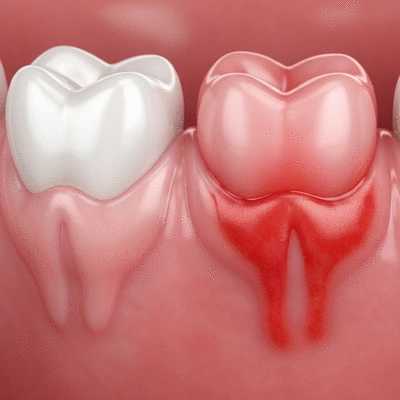
Have you noticed persistent bad breath even after brushing? This can be more than just an inconvenience; it could be a sign of underlying gum health issues. Bad breath, or halitosis, is often linked to bacteria in the mouth, particularly around the gums. When the gums are inflamed or infected, they can produce an unpleasant odor.
If you're frequently experiencing bad breath, it’s important to consult with your dentist. They can help identify the source of the problem and recommend appropriate treatments to restore your gum health. Remember, early intervention is key to preventing more serious issues down the line!
Recognizing Symptoms of Periodontitis and Advanced Gum Disease
As gum disease progresses to periodontitis, the symptoms become more pronounced. It’s essential to be aware of these signs so you can seek help promptly. Common symptoms include:
- Swollen gums: Gums may appear puffy and can be painful to the touch.
- Tooth sensitivity: You may experience discomfort or sensitivity when eating or drinking.
- Receding gums: Noticeable shrinking of the gum line can expose more of the tooth or its root.
- Loose teeth: As the supporting structures around your teeth weaken, you may notice them becoming loose.
Addressing these symptoms early can make a significant difference in your treatment outcomes. If you’re experiencing any of these signs, please reach out to me at DentistFortMyers. Together, we can develop a plan to improve your gum health!
The Progression of Gum Disease: From Gingivitis to Advanced Periodontitis
Understanding how gum disease progresses is vital for prevention and treatment. In my practice, I often explain this progression to my patients to highlight the importance of early intervention.
What Happens During Each Stage?
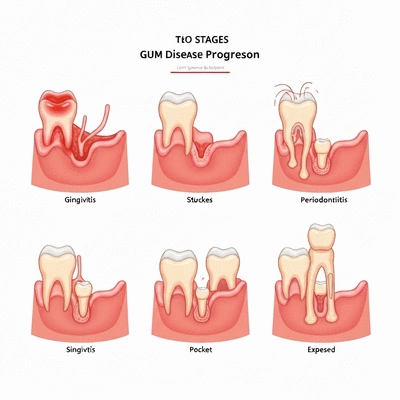
Gum disease typically starts with gingivitis, a mild inflammation of the gums, and can progress to more severe forms, like periodontitis. Here’s how it breaks down:
- Gingivitis: Symptoms include redness and swelling of the gums. If caught early, it is often reversible with improved oral hygiene.
- Mild Periodontitis: Gums may start to pull away from the teeth, forming pockets that can trap food and bacteria.
- Moderate Periodontitis: Increased inflammation and bleeding, as well as noticeable gum recession.
- Advanced Periodontitis: Severe damage occurs; teeth may become loose and bone loss is evident.
Recognizing these stages can empower you to take action before gum disease progresses. Early treatment can save your smile!
Impact of Delayed Treatment on Oral and Systemic Health
Neglecting gum disease can have serious consequences, not just for your teeth but also your overall health. Research links untreated gum disease to several systemic conditions, including heart disease and diabetes. Bacteria from gum infections can enter the bloodstream, potentially affecting other organs. Moreover, the Centers for Disease Control and Prevention (CDC) provides extensive information on periodontal disease, emphasizing its widespread prevalence and potential health impacts.
It’s essential to recognize that your oral health plays a significant role in your overall well-being. Prioritizing gum health can have lasting benefits for your entire body. Don't wait—seek treatment if you notice any signs of gum disease!
Did You Know?
According to the American Academy of Periodontology, nearly 50% of adults over 30 have some form of gum disease. This statistic underscores the importance of being vigilant about your oral health. Regular check-ups and early intervention can significantly reduce your risk!
The Importance of Early Intervention in Gum Disease Treatment
Recognizing early signs of gum disease and seeking timely treatment is crucial for maintaining long-term oral health. Gum disease can progress quickly, leading to more severe problems if left untreated. By acting early, you not only protect your gums but also your overall dental well-being.
Here are some key reasons why early intervention is vital:
- Preventing Progression: Catching gum disease early can help avoid the transition from gingivitis to more advanced stages like periodontitis.
- Minimizing Treatment Complexity: Early treatment typically involves less invasive procedures, making your dental visits shorter and less stressful.
- Protecting Your Overall Health: Studies link untreated gum disease to serious health conditions, such as heart disease and diabetes. Addressing it promptly can reduce these risks.
As a dentist in Fort Myers, I’ve seen firsthand how early intervention can make a significant difference in patients' lives. It’s about more than just saving your gums; it’s about ensuring your entire well-being!
Frequently Asked Questions About Gum Disease
Here are some common questions about gum disease and its management:
- Q: What are the earliest signs of gum disease?
- A: The earliest signs often include red or swollen gums, and bleeding when brushing or flossing.
- Q: Can bad breath be a symptom of gum disease?
- A: Yes, persistent bad breath (halitosis) that doesn't go away with brushing can be an indicator of gum issues due to bacteria buildup.
- Q: How does gum disease progress?
- A: It typically starts with gingivitis (mild inflammation), then progresses to mild, moderate, and finally advanced periodontitis, which involves gum recession, bone loss, and potentially loose teeth.
- Q: Why is early intervention important for gum disease?
- A: Early intervention can prevent the disease from progressing to more severe stages, minimize the complexity of treatments, and protect your overall health from associated systemic conditions like heart disease and diabetes.
- Q: What should I do if I suspect I have gum disease?
- A: If you notice any symptoms, it's crucial to schedule an appointment with your dentist for a professional diagnosis and to discuss appropriate treatment options.
Take Action: Prioritize Your Gum Health Today
Now that you understand the importance of early intervention, it’s time to take action! I encourage you to schedule an appointment with a Fort Myers dentist, like those at DentistFortMyers. Regular check-ups allow us to catch any potential issues early on.
Don’t wait for symptoms to worsen. A proactive approach to your oral health can help you maintain a healthy smile for years to come. Remember, your future self will thank you for it!
Oral Health Education: Empowering Yourself for Better Dental Care
At DentistFortMyers, we're passionate about empowering our community through education. There are numerous resources and community programs available in Fort Myers that focus on improving awareness and understanding of gum disease prevention. Some valuable resources include:
- Local workshops on oral hygiene and gum health.
- Educational materials available at your dental clinic.
- Online resources through reputable dental health websites.
By taking advantage of these resources, you’ll be better equipped to make informed decisions about your dental care. Awareness is your best tool in preventing gum disease and ensuring a healthy, confident smile!
Recap of Key Points
Here is a quick recap of the important points discussed in the article:
- Red or swollen gums: These are early signs of gum disease that should not be ignored.
- Bleeding while brushing: If you notice this symptom, it may indicate gum disease and requires attention.
- Persistent bad breath: This can be a sign of gum issues and should prompt a consultation with your dentist.
- Early intervention is crucial: Timely treatment can prevent gum disease from progressing to severe stages.
- Regular dental check-ups: Schedule appointments to catch any potential issues early and maintain your oral health.

Dr. Samantha L. Rhodes
Dedicated dental professional. Specialist in preventive & cosmetic dentistry. Passionate about patient education.
Dr. Rhodes is committed to providing comprehensive oral health care, ensuring patients receive top-notch, individualized treatment. Through DentistFortMyers.com, she empowers Fort Myers residents and visitors with the knowledge to make informed decisions about their dental health. Explore our blog for insights on maintaining a healthy, confident smile and enhancing your overall well-being.